 Access Arvada: ADA Transition Plan
Access Arvada: ADA Transition Plan
Project overview
The City maintains an Americans with Disabilities Act (ADA) Transition Plan to provide guidelines and goals to continually improve accessibility throughout Arvada. The plan is being updated to assess progress and needs since the plan’s inception in 2020. As a part of this process, the City team is seeking feedback from the community about the plan’s priorities and their lived experiences with accessibility in Arvada.
Learn more about the transition plan at arvadaco.gov/accessarvada.
Definitions
Accessibility: The Americans with Disabilities Act (ADA) defines accessibility as the ability of people with disabilities to access the same programs, services, and areas as people without disabilities. This includes physical access, communication access, and equal opportunity.
Barrier: The Americans with Disabilities Act (ADA) defines barriers as physical or other obstacles that prevent people with disabilities from accessing services and participating in society.
This survey closed Sunday, April 27. Feedback is being incorporated into the updates to the ADA Transition Plan. The final plan will be presented to City Council and shared with the community later this year. Thank you to those who participated!
The ADA Transition Plan categorizes efforts into three broad categories.
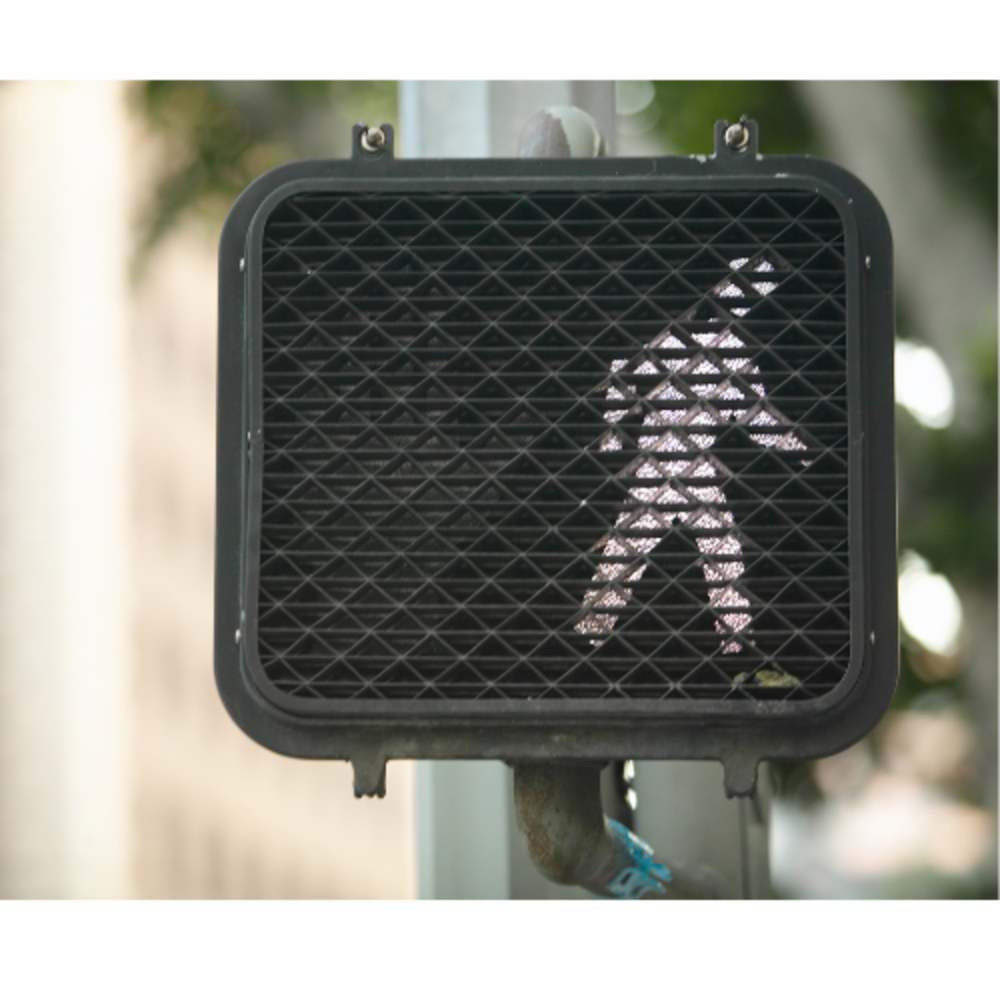
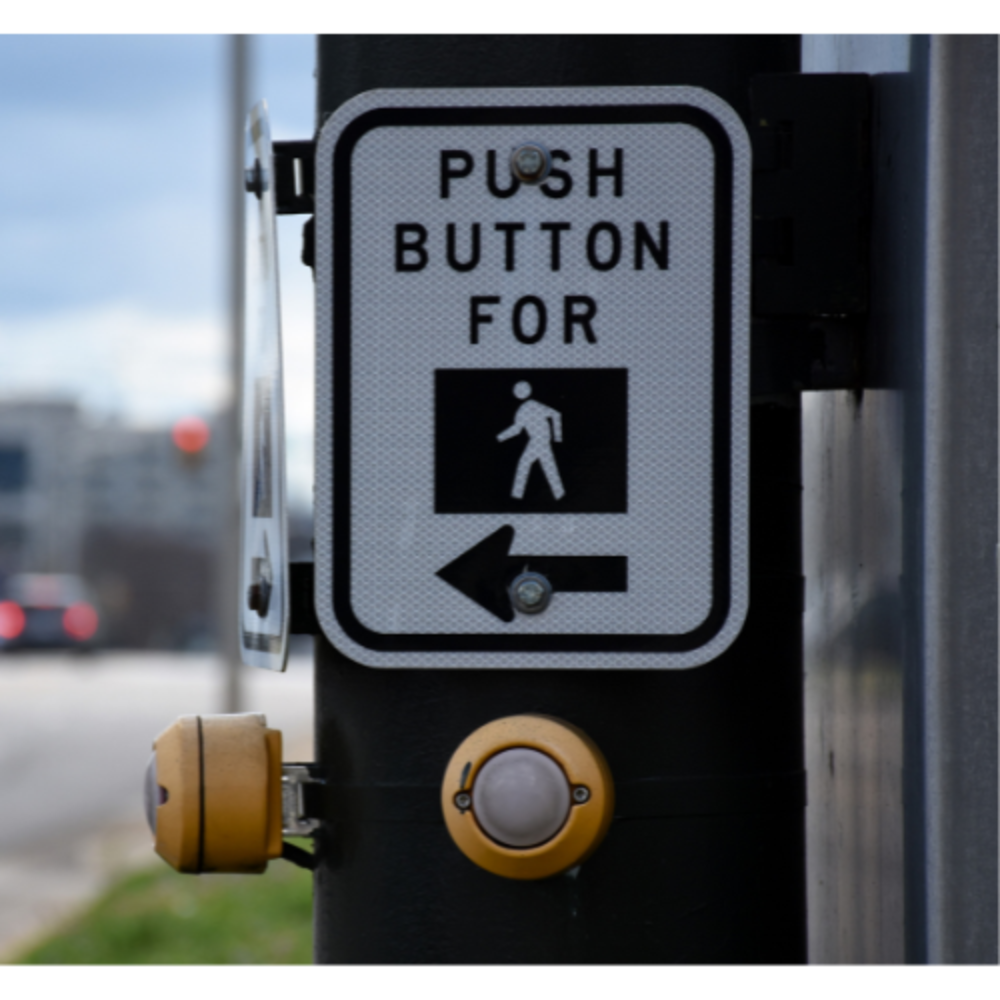
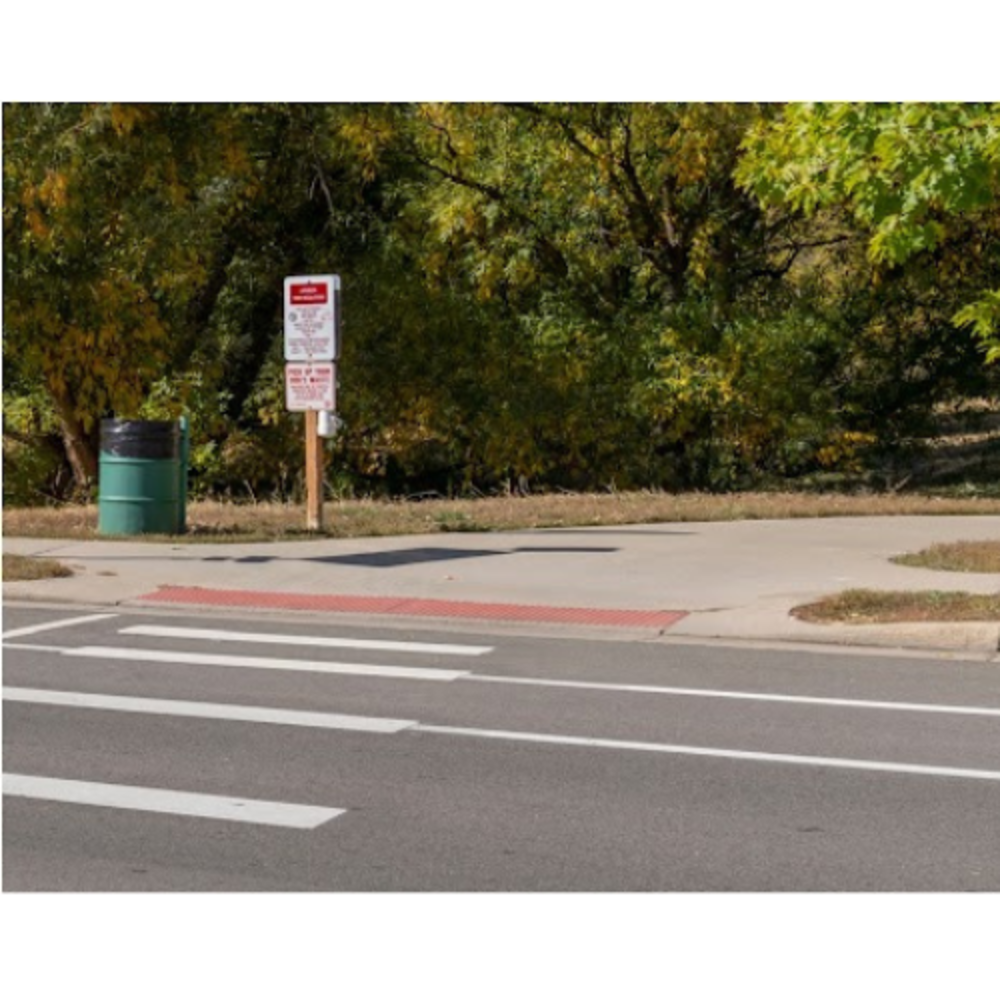
Pedestrian and transportation facilities
This includes public right-of-way infrastructure like curb ramps, sidewalks, pedestrian push buttons, and pedestrian crossing signals.
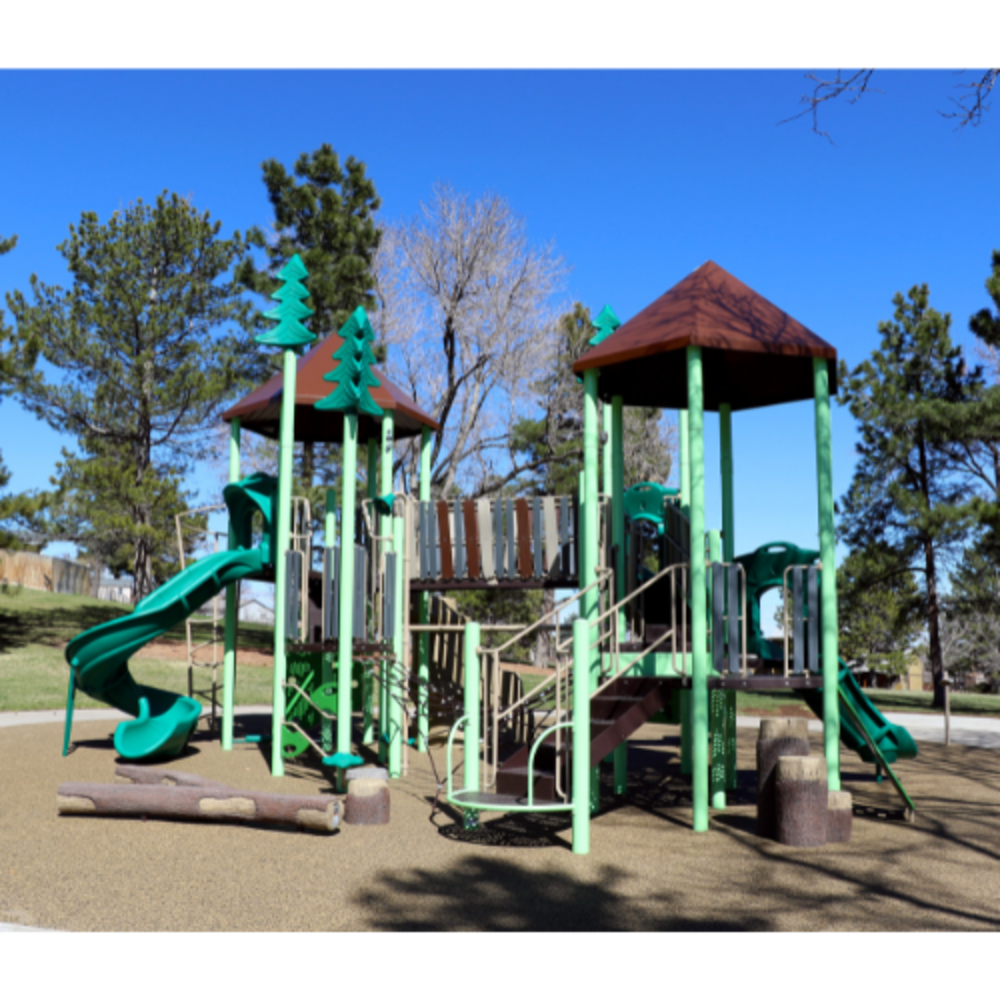
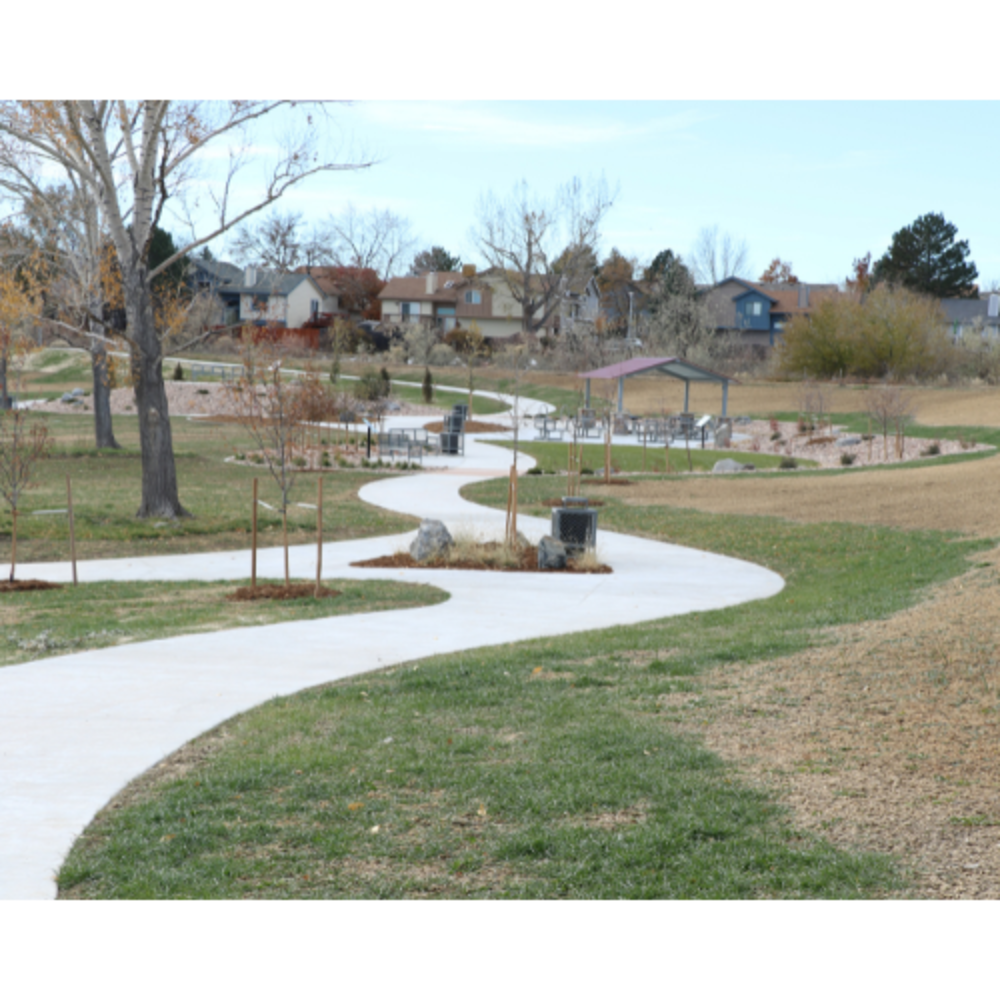
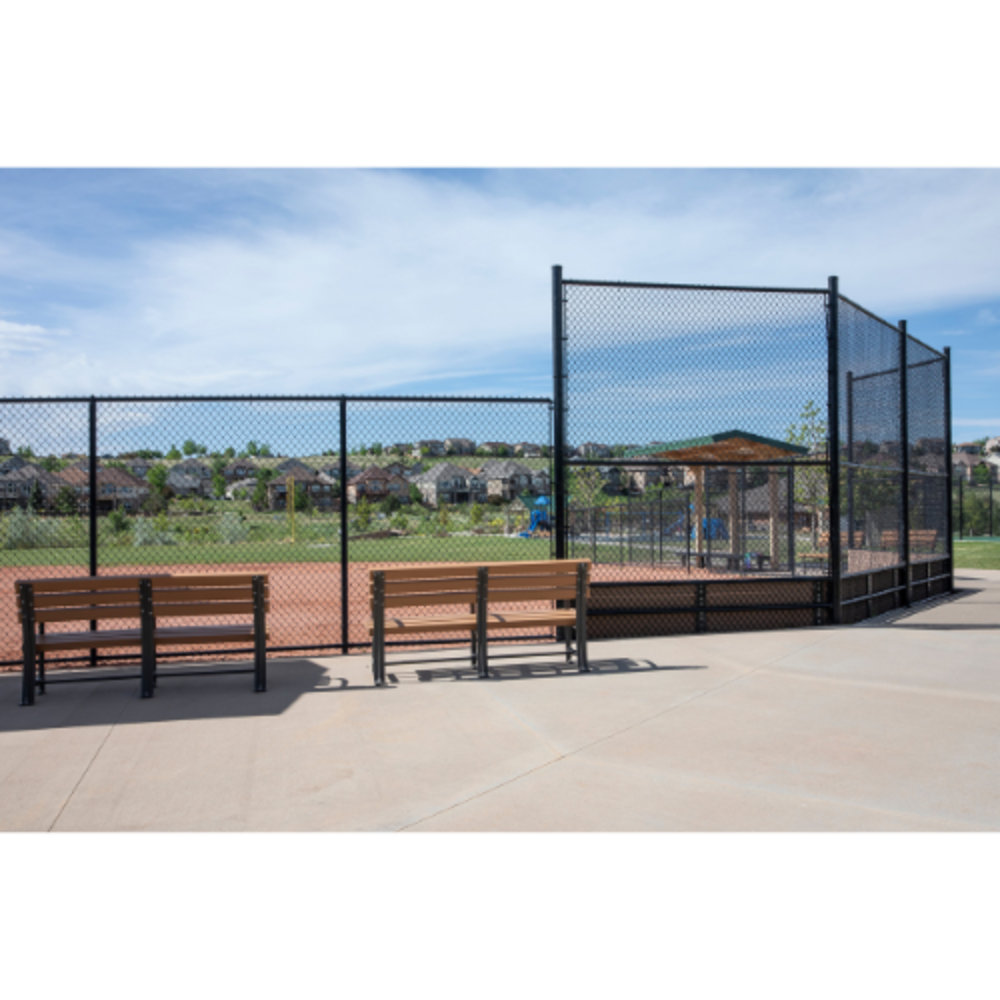
Parks, trails, and open spaces
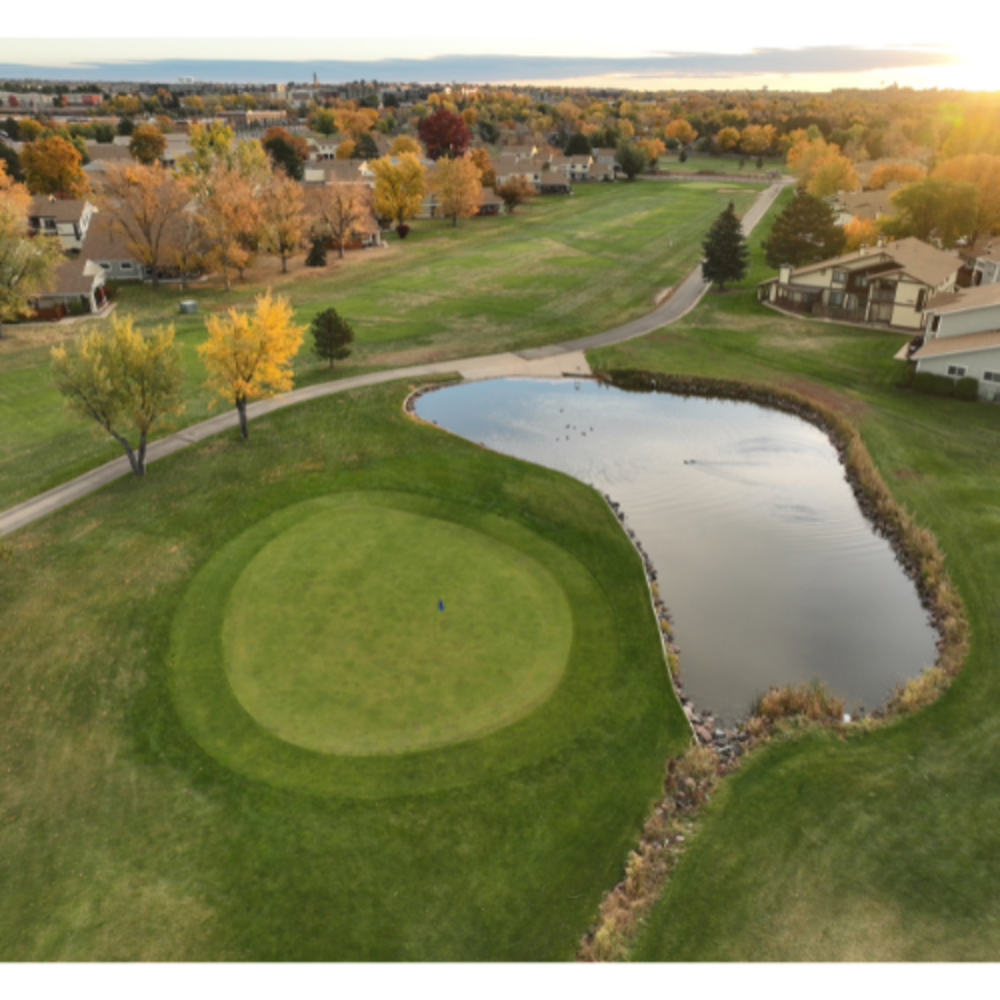
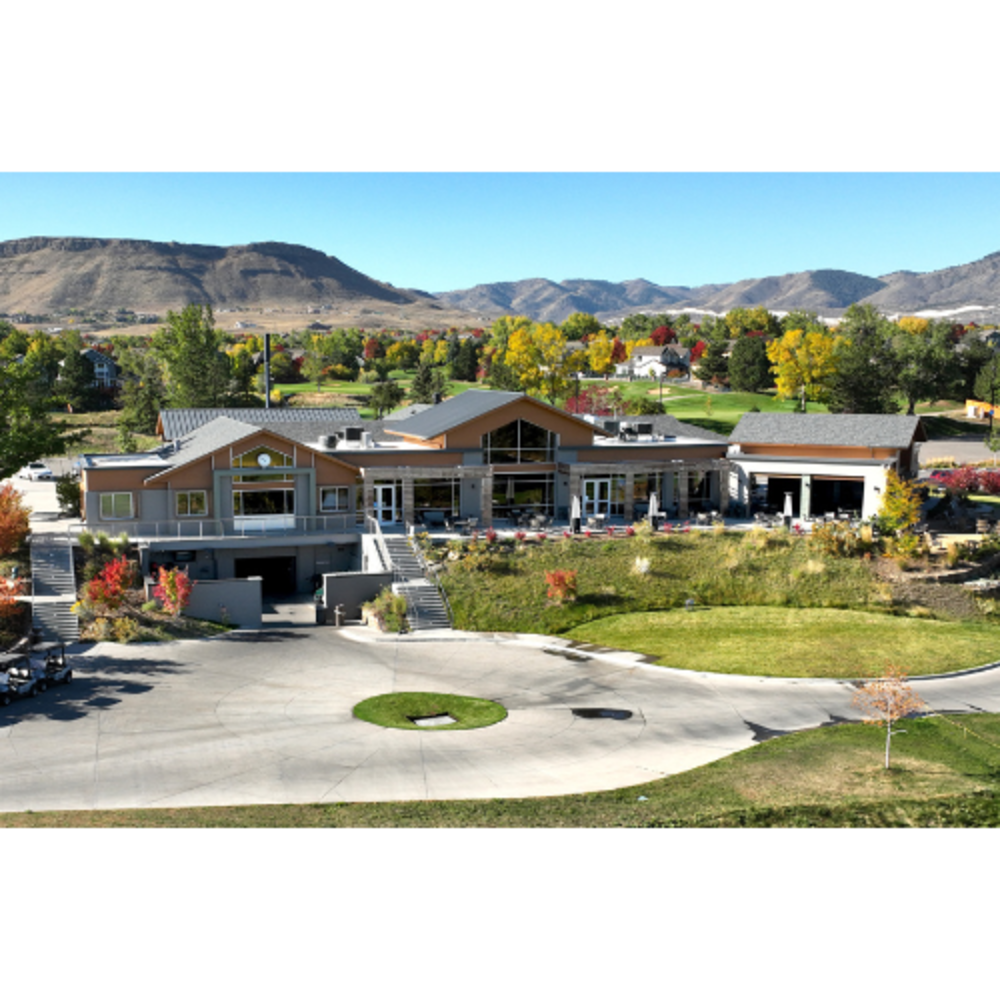
This includes City-owned play structures, parks, paths and trails, athletic complexes, and golf courses. Please review the list of City-owned athletic complexes and golf courses to clarify what falls within the City's responsibilities. Note: golf course clubhouses are considered buildings (see below).
- City athletic complexes includes: Arvada Blunn Reservoir, Harold D. Lutz Sports Complex, Long Lake Regional Park, Pioneer Park Sports Complex, Stenger Sports Complex, Youth Memorial Sports Complex
- City golf courses: Lake Arbor Golf Course, West Woods Golf Course
City-owned buildings
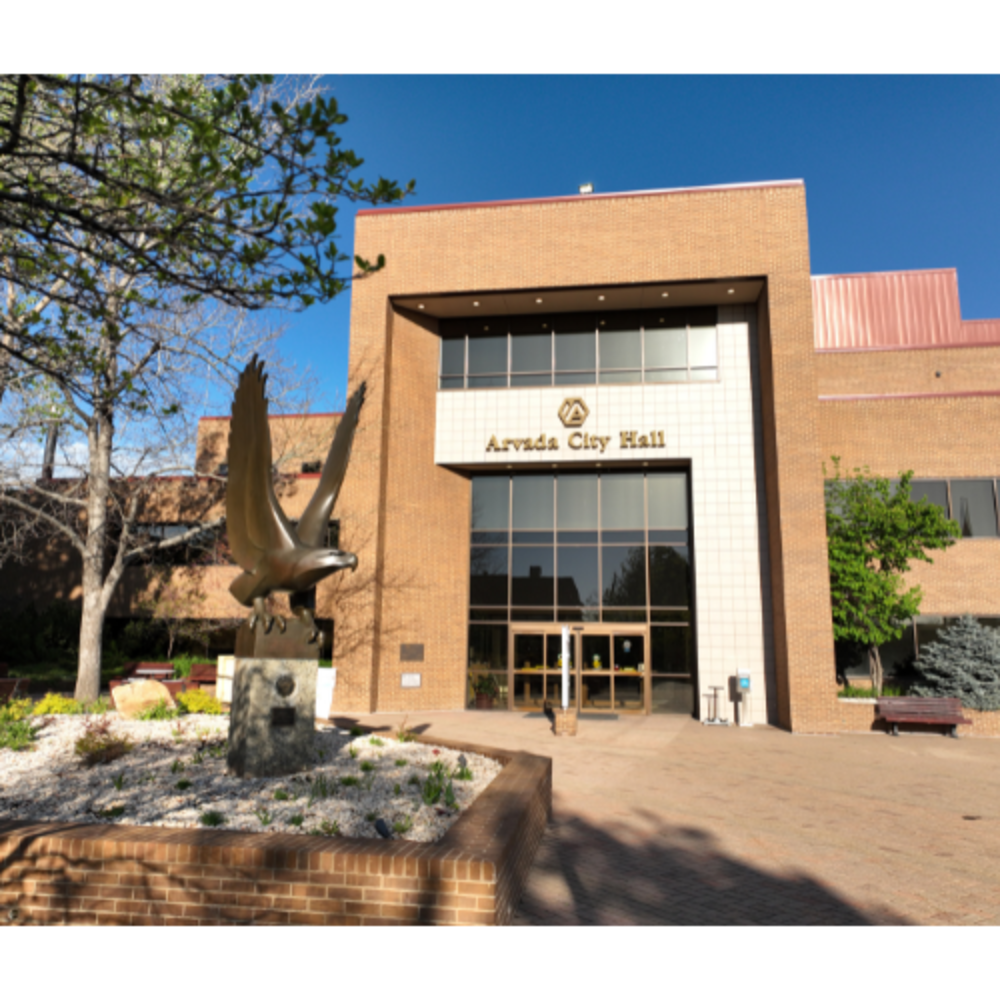
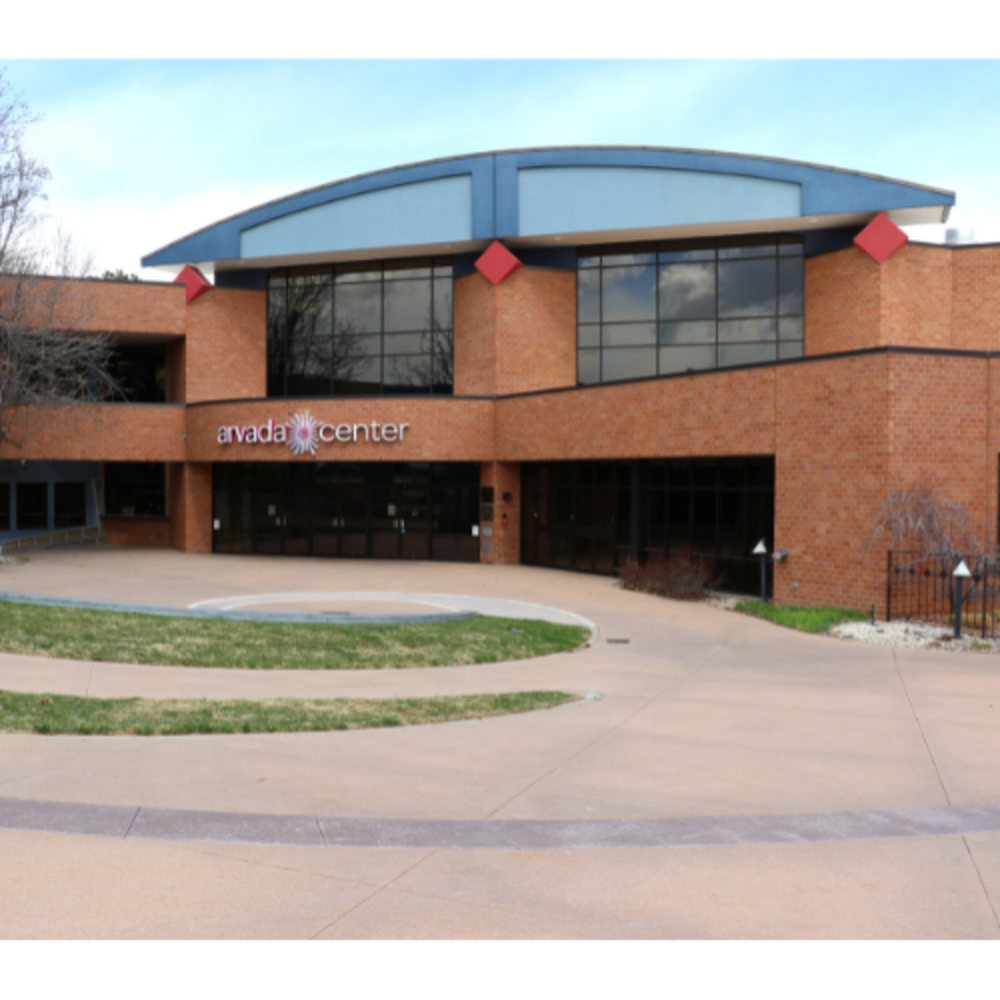
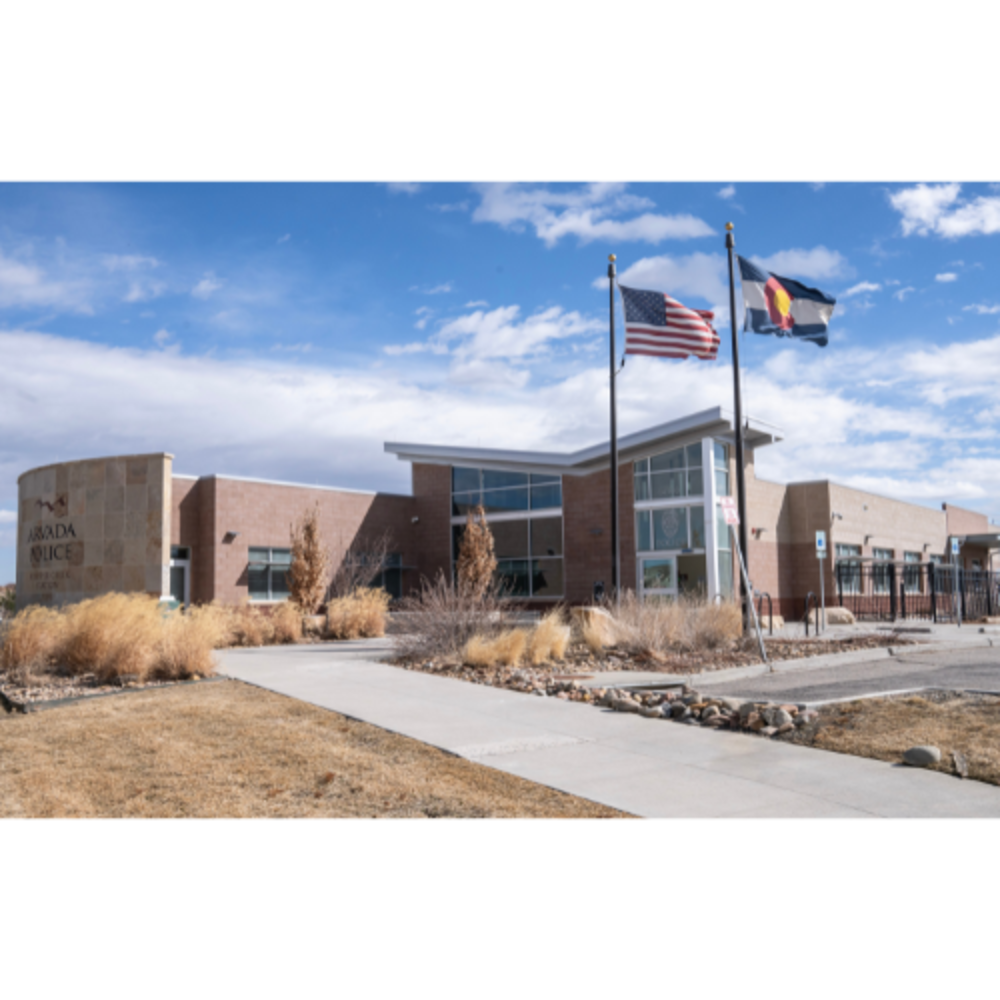
This includes public and staff-only access facilities that are owned and maintained by the City of Arvada. Please review the list of City-owned buildings to clarify what falls within the City's responsibilities.
- City buildings includes: Arvada Center, Arvada Aquatics Center (Apex), Arvada Police Stations (West Woods, Lake Arbor, Whisper Creek, City Hall), Arvada Visitors Center, City Hall, Golf Course Club Houses (Lake Arbor & West Woods), Majestic View Nature Center, McIlvoy House (Historic Society)
How would you prioritize these accessibility categories? Please rank them from most to least important.
What type of accessibility barriers do you think are most important to address? (select 3)
Have you, or someone you live with or care for, experienced barriers to accessing pedestrian and transportation facilities, parks, trails, and open spaces, or City-owned buildings in Arvada?
- More information about Access Arvada and the ADA Transition Plan
- Accessibility in Arvada